

Removing barriers to MEANINGFUL technology use!
Start the Year Off Strong: Setting 1:1 Routines That Stick
Here’s the thing about teaching in a 1:1 classroom: if you don’t set routines right away, your kids will. And trust me—you’re not going to like their version. Their routines usually involve mystery games, YouTube rabbit holes, and the fastest window-minimizing you’ve ever seen.
Day One is where you set the tone. Not after you “get to know them.” Not once you’re “done with the syllabus.” Day One. Show them the devices are tools, not toys. Do something simple but meaningful—like having students record themselves reading a reflection or answering a fun question. It’s easy, it gets them using the tech, and it says, “In this class, we actually do stuff with these.”
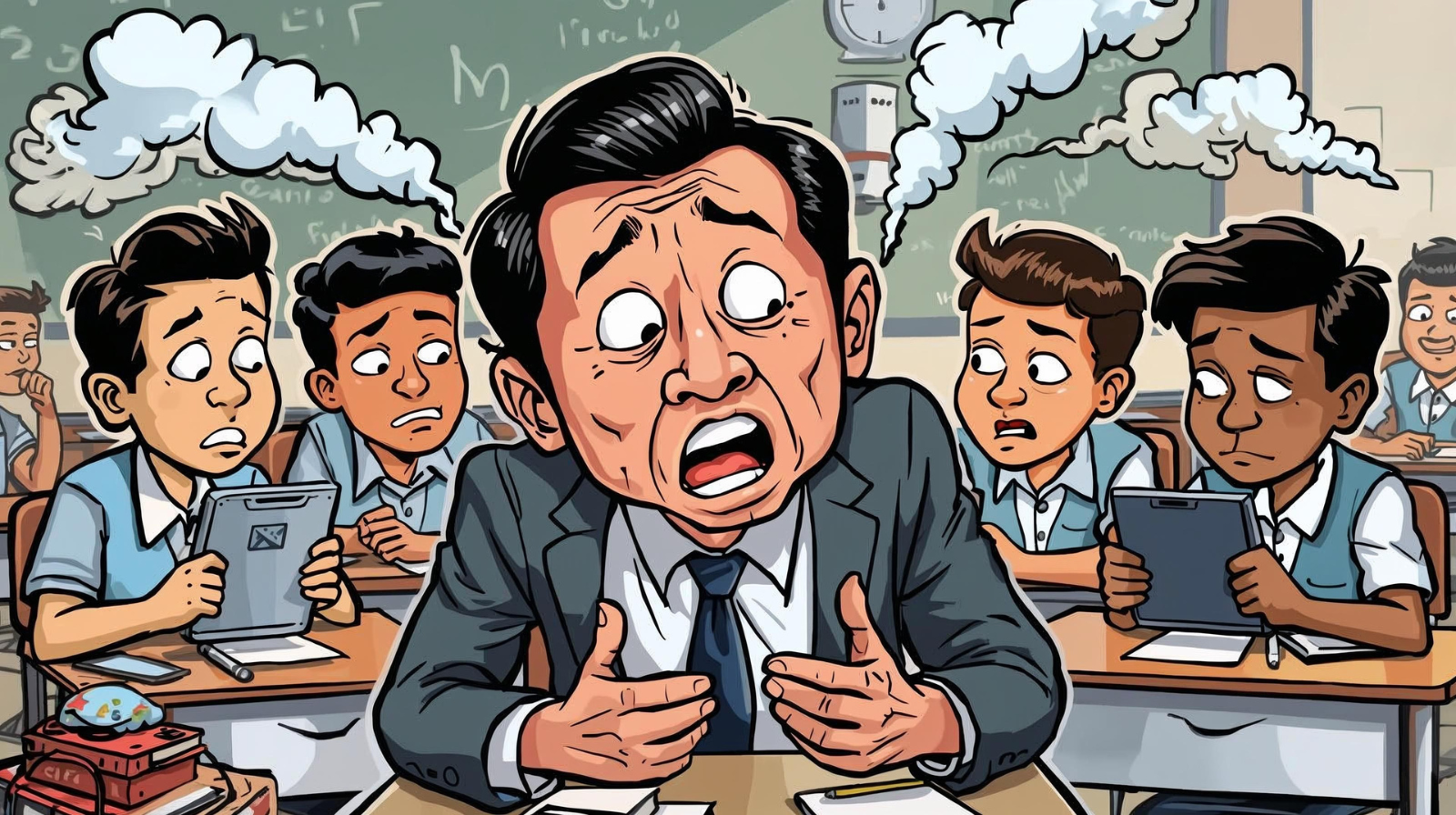
You’ll also need an attention signal. Screens are powerful magnets. Don’t waste your voice yelling “eyes up here!” 47 times a day. Pick something that fits you—music clip, call-and-response, even a corny joke—and use it every time. Kids will roll their eyes… which means it’s working.
And plan ahead for when a device needs a break. Have a neutral “parking spot” for iPads/laptops. It’s not a punishment, it’s just a reset. Saves you from a lot of tug-of-wars over screens.
Why bother with all this? Because research from Quaglia and Corso reminds us that students really come to school for two reasons: to make friends and to feel successful. When your routines build belonging and give them clear wins with technology, you’re giving them both. That’s classroom culture, not just classroom management.
Bottom line: start strong, because the habits you set on Day One are the ones you’ll be living with in May. And if you don’t set them? Well… your students will. And let’s just say their version involves a lot more Minecraft than you planned for.
Stop Making Students Guess: AI Policies Pushing for Clarity in the Classroom
We’re reaching a turning point with AI in schools. Students are using it every day—sometimes intentionally, sometimes without even realizing it—because AI is increasingly embedded in the very tools they use. The question isn’t whether AI shows up in the classroom, but whether we as educators are ready to provide clarity about how it can be used.
Some districts are leading the way with smart, forward-thinking policies. They aren’t issuing blanket bans or pretending AI can be locked out. Instead, they’re asking teachers to do the real work of being clear: when is AI a support, when is it a shortcut, and when does it cross the line into cheating? This isn’t about being permissive—it’s about being fair.
Because here’s the reality: when we simply declare “AI is never allowed,” we aren’t stopping students from using it. We’re just setting them up to fail. Without explicit guidance, students are left to guess where the boundaries are. Some will guess wrong, and then they’re not only penalized for crossing a line, they’re penalized for not even knowing where the line was in the first place.
Districts that call on teachers to spell out expectations assignment by assignment are actually doing two things: they’re leveling the playing field for students, and they’re pushing teachers to be sharper about their learning outcomes. If I tell my students “AI is off-limits on this essay,” I’d better be clear about why. If I say, “Use AI to brainstorm but not to draft,” then I’ve clarified both the task and the skill I want them to practice.
That’s why I admire districts that embrace policies built on clarity and context rather than fear and prohibition. They’re not just adapting to a new technology—they’re modeling the kind of teaching we want for the future: transparent, intentional, and focused on learning.
Why the kids who need it most can’t afford to miss out
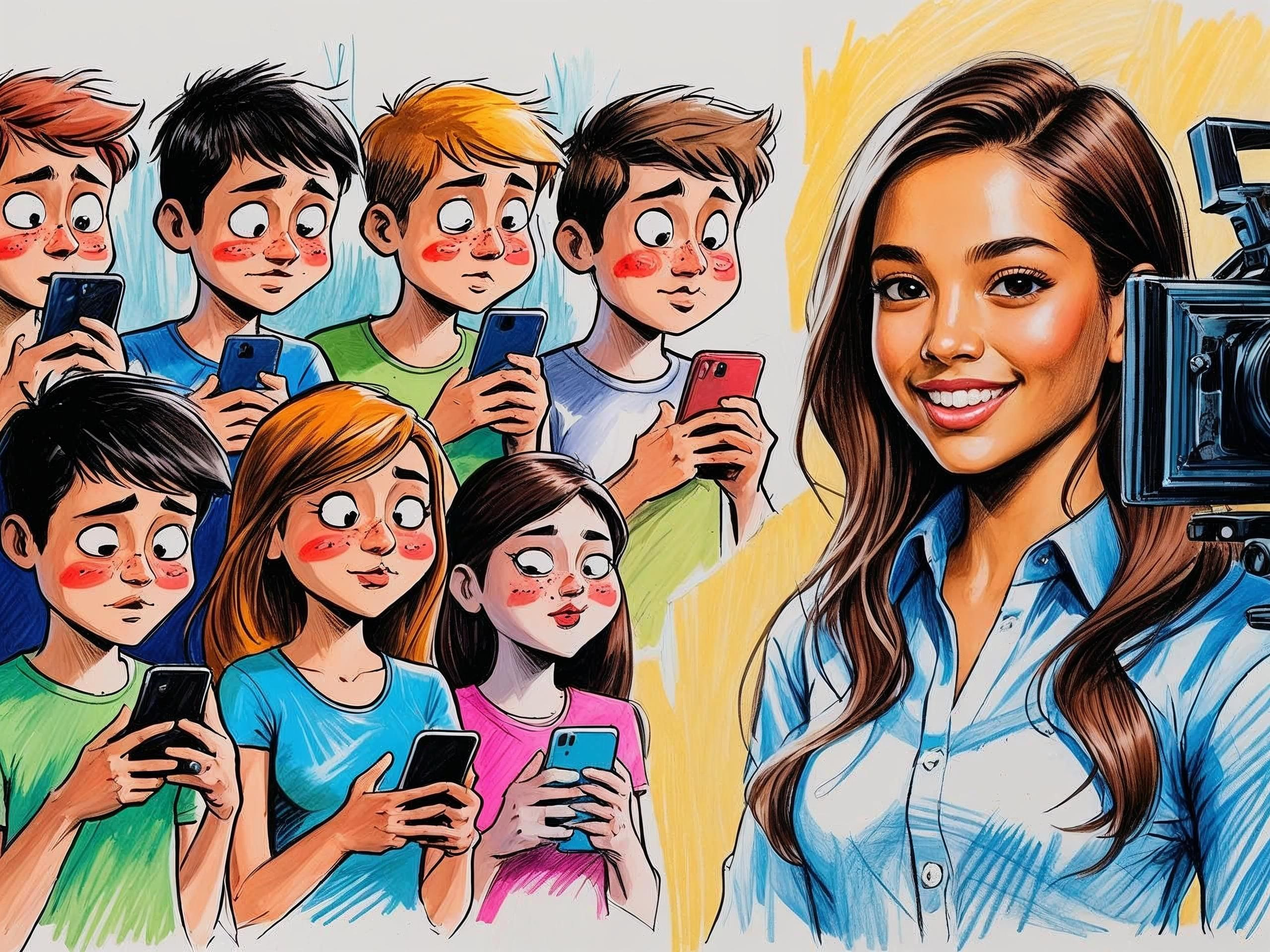
While some kids look on passively at the creators of the Internet, other young people are out there having their voices heard. Every student needs this opportunity, because every employee will need this critical skill set.
Here’s something I can’t stop noticing: kids are consuming the hell out of technology. At restaurants, family gatherings, even on my own couch, I see students glued to their screens, scrolling through content that’s been crafted by…other kids. Kids their age who already have the skills to edit videos, design graphics, or tell a story in a way that captivates an audience. And it makes me wonder: what about the ones who don’t? What about the kids who’ve never had the chance to use technology as more than a delivery system for someone else’s creativity?
That’s why I keep coming back to the U.S. Department of Education’s distinction between Passive Use and Active Use. Passive use is the endless swiping, tapping, and liking—the digital equivalent of sitting on the couch eating chips straight from the bag. Active use is where the magic happens: creating, collaborating, problem-solving, building something that didn’t exist before. And the reality is, the students who don’t see that kind of use modeled at home are the ones who need schools to make it happen most.
Because here’s the deal: in school, the stakes are low and the opportunities for feedback are high. Kids can experiment, fail spectacularly, and try again—without it costing them a job or a grade point average that follows them forever. If we don’t give them those reps now, then we’re setting them up to be perpetual consumers while a smaller group of peers keeps producing the content that shapes culture, conversation, and opportunity. It’s the difference between watching TikToks and knowing how to make the one that everyone else watches.
But here’s the twist: not all screen time is created equally. Parents sometimes (understandably) see their child staring at a school-issued device and lump it all into the same bucket of “too much screen time.” Yet what happens in a classroom where teachers are leveraging these tools for active use is light-years away from what happens when kids are left to scroll endlessly at home. When done right, that screen time is richer, more dynamic, and frankly, more essential to a student’s growth than ever before. At the same time, that comes with responsibility on our end: if teachers are simply allowing kids to consume passively in a 1:1 environment, then we’re not holding up our end of the bargain either.
So here’s my challenge—to educators and parents alike: we need to stop treating all screen time as the same. We need to make space for active use, for creativity, for problem-solving. Parents, trust that when teachers push your kids to create with technology, it’s not “extra screen time,” it’s practice for their future. And educators, let’s be honest with ourselves—if we aren’t using technology to amplify learning, to give kids agency and voice, then we’re just part of the problem. The world doesn’t need more scrollers. It needs more creators. And every kid deserves the chance to be one.